Why Kenyan coffee tastes so bright
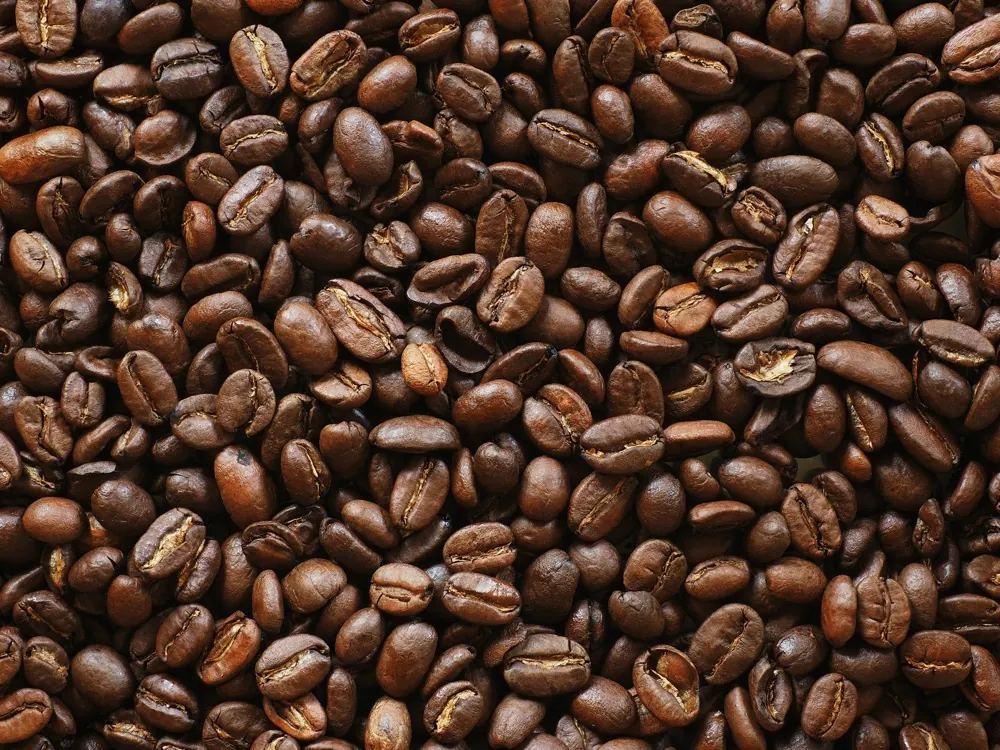
Ask a coffee lover to describe Kenyan coffee and you will hear words like bright, juicy and fruity. Many people taste blackcurrant, berries or citrus in a good Kenyan cup. That flavor does not happen by accident. It comes from a special mix of land, plants and people.
Grown high on volcanic slopes
Most Kenyan coffee grows in the central highlands, on the slopes of Mount Kenya and the Aberdare Range, in counties such as Nyeri, Kirinyaga, Murang'a and Kiambu. The farms sit high above sea level, where days are warm and nights are cool. In that climate the coffee cherries ripen slowly, and slow ripening gives the beans more time to build sugars and lively acidity.
The soil helps too. It is rich, red volcanic earth that drains well and feeds the trees with minerals.
Famous coffee varieties
Kenya is known for two classic varieties called SL28 and SL34. They were selected in the 1930s by Scott Laboratories in Nairobi, which is where the "SL" comes from. They are loved for their complex, fruity flavor. Newer varieties such as Ruiru 11 and Batian were later developed in Kenya to resist plant diseases, so farmers can protect their harvest.
Small farms, working together
Much of Kenya's coffee is grown by smallholder farmers, families who often look after a few hundred trees each. Many of them belong to cooperatives. They bring their hand-picked cherries to a shared washing station, often called a "factory," where the coffee is processed together. Working as a group gives small farmers access to equipment, training and buyers that would be hard to reach alone.
Washed with extra care
Kenyan coffee is usually washed. After picking, the skin and fruit are removed, the beans ferment in water to loosen the sticky layer around them, and then they are washed and soaked again before drying in the sun on raised beds. This careful cleaning is a big reason why Kenyan coffee tastes so clean and clear, with the fruitiness of the bean shining through.
What "AA" means on a bag
Kenyan coffee is sorted by bean size. AA is the largest size, AB is a little smaller, and PB stands for peaberry, a small round bean that grows alone inside the cherry. Size is not everything, but it shows how carefully the coffee has been sorted.
Every cup, a connection
When you drink Kenyan coffee, you are tasting the work of thousands of farming families. That is part of why we chose it for A Cup of Hope. The coffee comes from Kenya, and the proceeds go back to Kenya, helping girls stay in school.
Every cup brews a scholarship
Proceeds from our Kenyan coffee help girls in Kenya stay in school.